
Call: 08045477657
 Send Inquiry
 Send Inquiry
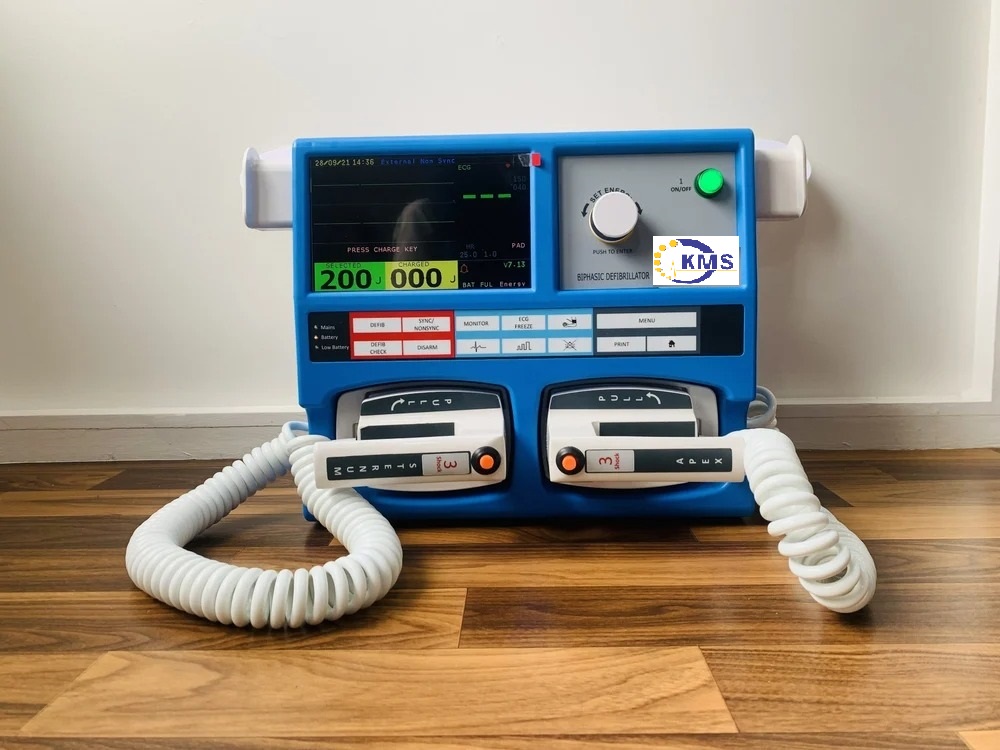
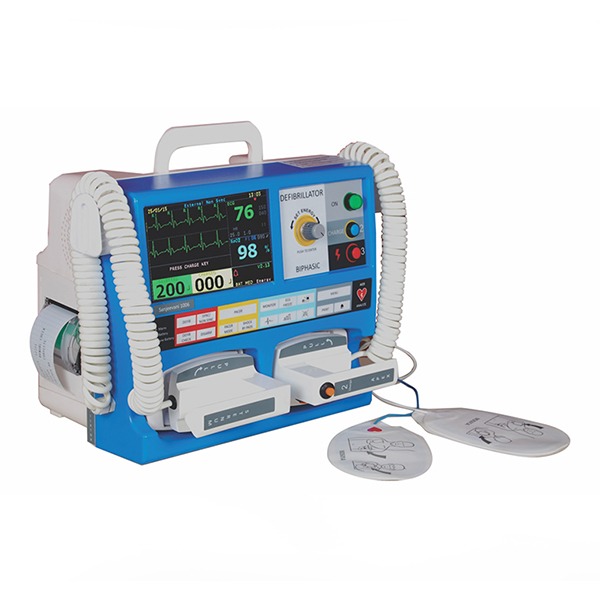
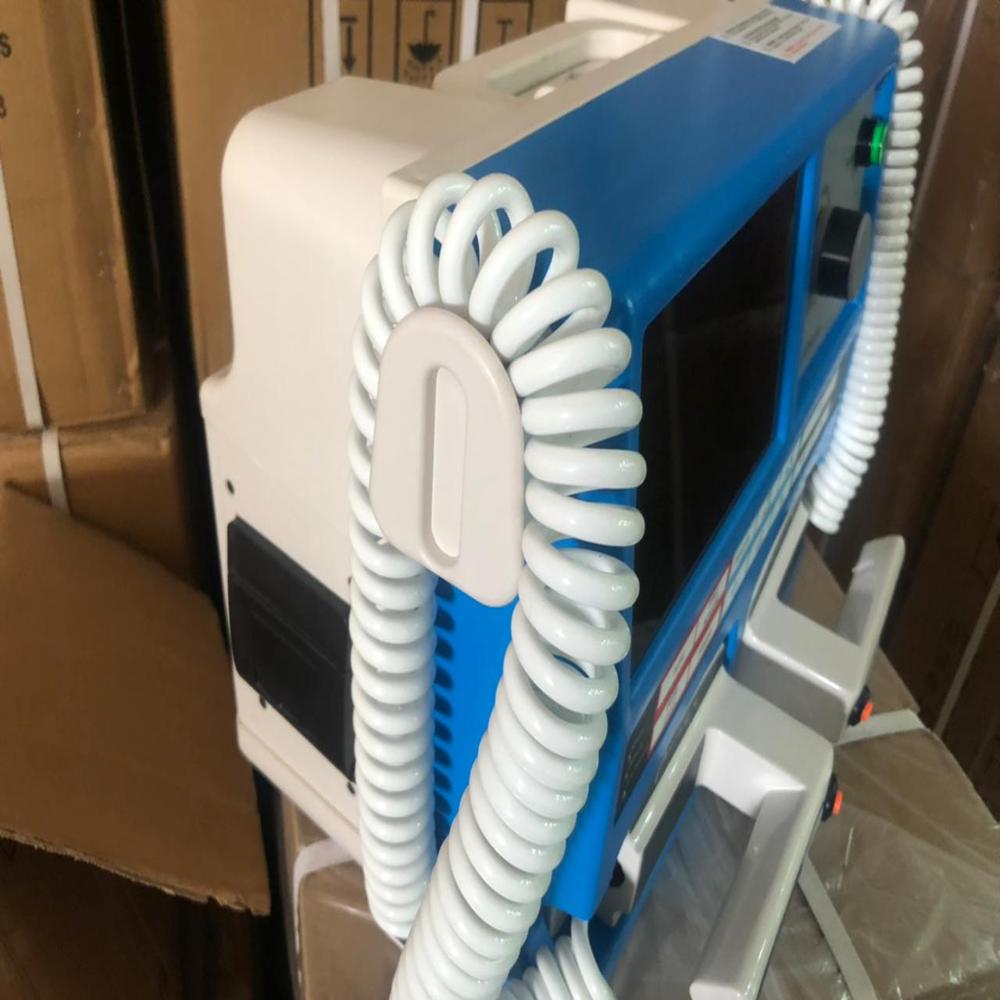
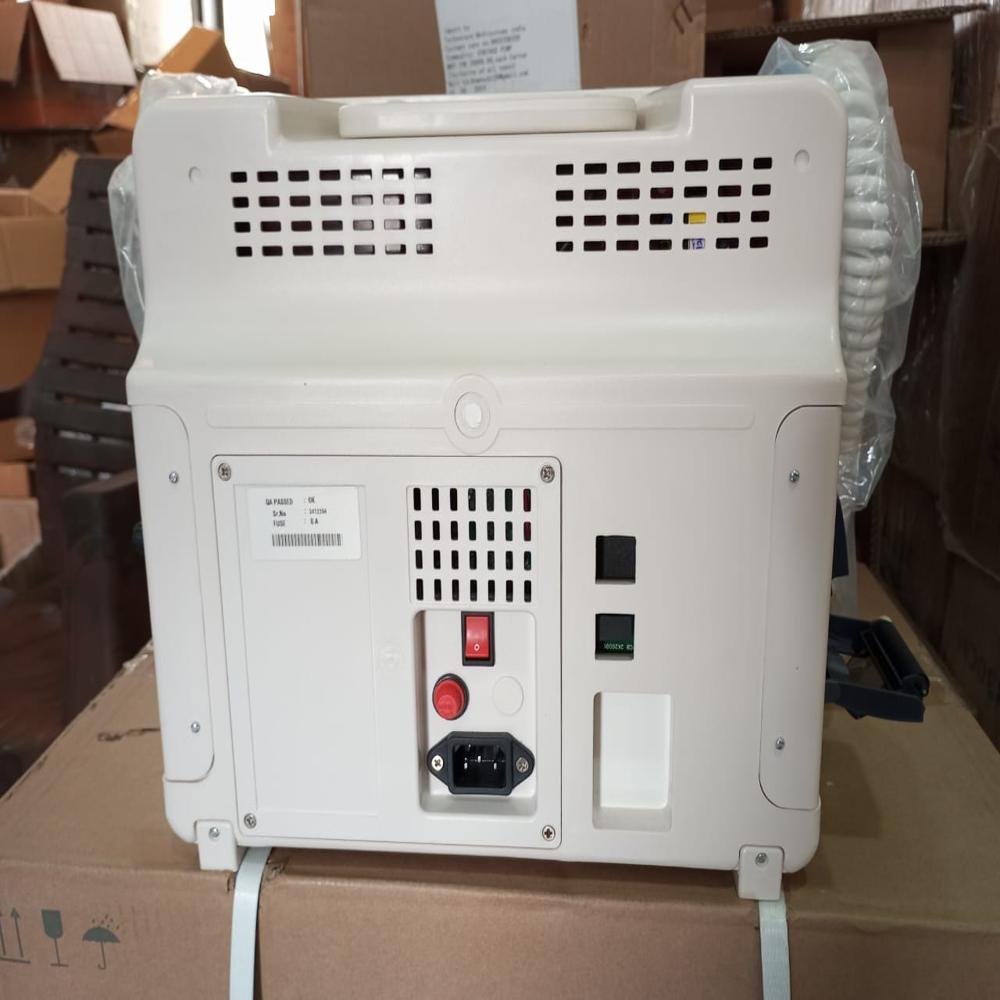
Bi-Phasic Defibrillator
Price 180000.0 INR/ Piece
MOQ : 1 Piece
Bi-Phasic Defibrillator Specification
- Shape
- Rectangular with handle
- Phase
- Bi-phasic
- Display Type
- LED/LCD
- Suitable For
- Hospitals ICUs ambulances
- Color Code
- Blue and White
- Product Type
- Defibrillator
- Use
- Medical use for cardiac resuscitation and monitoring
- Treatment Type
- Cardiac treatment and monitoring
- Accuracy
- High accuracy
- Automation Grade
- Semi-automatic
- Function
- Defibrillation monitoring of SpO2 NIBP EtCO2 and AED
- Application
- Optional AED Pacemaker SpO2 NIBP EtCO2
- Properties
- Multi-functional medical device for emergency and critical care settings
- Material
- Plastic and Metal
- Power Source
- Electric
- Display
- Digital screen with vital monitors
About Bi-Phasic Defibrillator
Bi-Phasic Defibrillator
KM- D102 AED, Pacemaker, Spo2, NIBP, Etco2 OptionalProduct Description
Is A Defibrillation Device, Which Can Meet Your Clinical Needs
From Basic Life Support (bls) To Advanced Cardiac Life Support (acls).
KM-D101 SPO2 & Printer Optional
Display
Screen Type: High-resolution display
Screen Size: 7 inches (17.7 cm) Color LCD Display
Sweep Speed: 25mm/sec
Information: Heart Rate, Lead/Pads, Alarm On/Off, SpO2,
AED Functions and Prompts, Alarm Selection and Limits,
Delivered Energy.
Defibrillator
Waveform: Biphasic
Charge Time: Less than 7 seconds with a
new fully charged battery.
Energy Display: Monitor display indicates both selected
and delivered energy.
Charge Prompt Type: Voice and visual prompts.
Electrode Impedance Measurement Range: 0-250 ohms.
High-Precision Cardiac Resuscitation
Equipped with advanced bi-phasic shock technology and high accuracy sensors, this defibrillator delivers reliable performance during cardiac emergencies. Its user-friendly interface ensures fast response times when seconds matter most.
Comprehensive Patient Monitoring
Beyond defibrillation, the device provides continuous and precise monitoring of vital statistics such as SpO2, NIBP, and EtCO2. This results in a well-rounded approach to patient care throughout treatment and recovery phases.
Adaptable for Critical Care Settings
Designed for versatility, the defibrillators durable build, easy portability, and multi-parameter functionality make it indispensable in hospitals, intensive care units, and ambulances. Its semi-automatic operation enhances usability for medical professionals.
FAQs of Bi-Phasic Defibrillator:
Q: How is the Bi-Phasic Defibrillator operated during a cardiac emergency?
A: The defibrillator features a semi-automatic function, guiding medical staff through the resuscitation process with voice prompts and digital screen instructions, allowing for quick and accurate application of therapy.Q: What monitoring capabilities does this device include?
A: This device includes monitoring for core vitals such as SpO2 (oxygen saturation), NIBP (non-invasive blood pressure), and EtCO2 (end-tidal carbon dioxide), in addition to AED and optional pacemaker functions, all visible on the LED/LCD display.Q: When should the Bi-Phasic Defibrillator be used?
A: It is suitable for use during cardiac emergencies, including sudden cardiac arrest, as well as for ongoing monitoring of patients with critical heart conditions in settings like hospitals, ICUs, and ambulances.Q: Where can this multi-functional defibrillator be appropriately utilized?
A: Designed for versatility, it can be effectively employed in hospitals, intensive care units, emergency rooms, and ambulancesanywhere rapid cardiac treatment and monitoring are essential.Q: What is the process for switching between defibrillation and monitoring modes?
A: Clinicians can seamlessly transition between defibrillation and patient monitoring by following the user-friendly controls and prompts on the digital LED/LCD screen, enabling immediate adaptation to patient needs.Q: What are the usage benefits of choosing this particular defibrillator?
A: Its high accuracy, multi-parameter monitoring, portable design, and semi-automatic operation streamline cardiac care, improving response times and patient outcomes during critical events.Q: How does the design facilitate emergency use in various medical settings?
A: The rectangular device with handle ensures portability and swift deployment, while its color-coded blue and white casing makes it easily identifiable. The robust construction supports reliable performance in demanding emergency scenarios.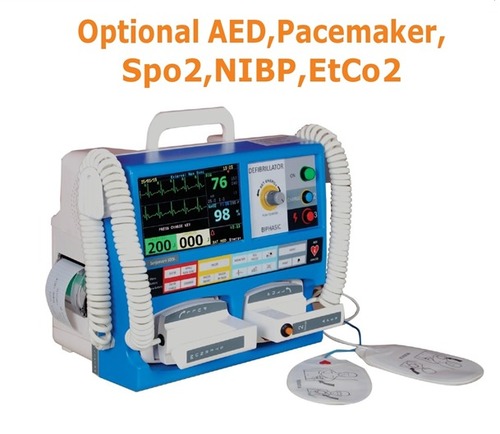
Tell us about your requirement

Price:
Quantity
Select Unit
- 50
- 100
- 200
- 250
- 500
- 1000+
Additional detail
Mobile number
Email

More Products in Defibrillator Category
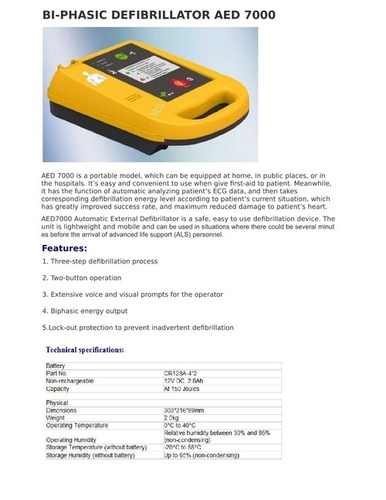
AED-7000 (Autometic external defibrillator )
Price 55000.0 INR / Piece
Minimum Order Quantity : 5 Pieces
Material : ABS Plastic
Suitable For : Hospitals, Public Places, Emergency Responders
Dimension (L*W*H) : 300 x 230 x 70 mm Millimeter (mm)
Color Code : Yellow/Grey
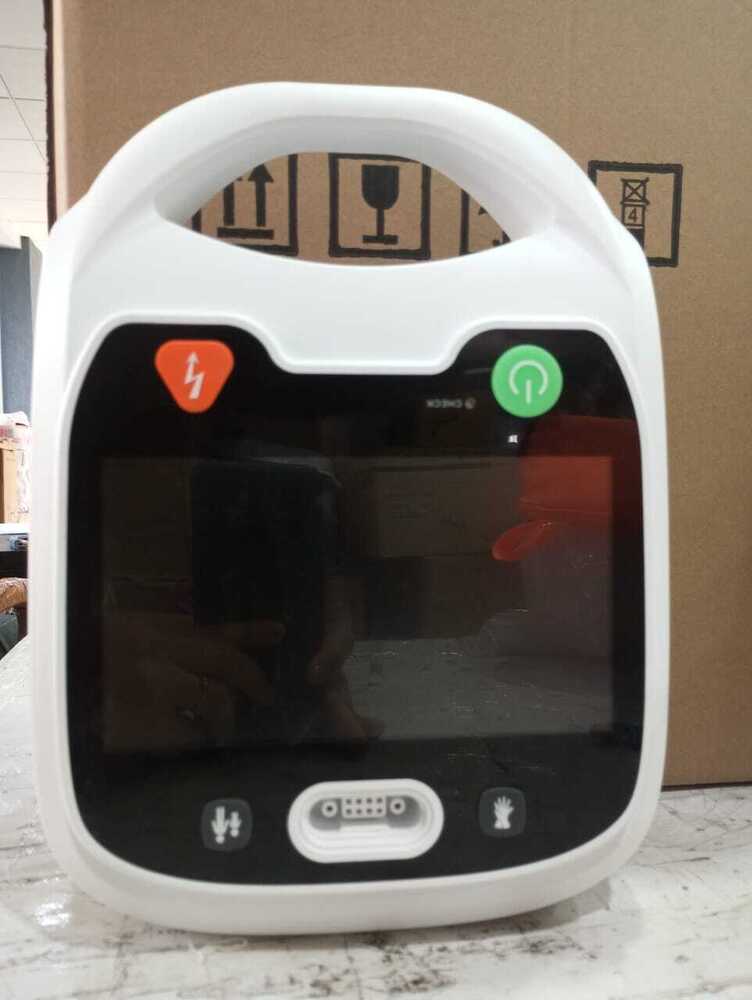
Automated External Defibrillator
Price 40000.0 INR / Piece
Minimum Order Quantity : 1 Piece
Material : PLASTIC
Suitable For : HOSPITAL
Dimension (L*W*H) : 52*25*26 Inch (in)
Color Code : ORANGE WHITE

Contact Details
Surat, Gujarat, India
- No-376, Ranuja Dham Soc., BM,Surat - 395010, Gujarat, India
- Phone :08045477657
 Send Inquiry
|


Developed and Managed by Infocom Network Private Limited.
